
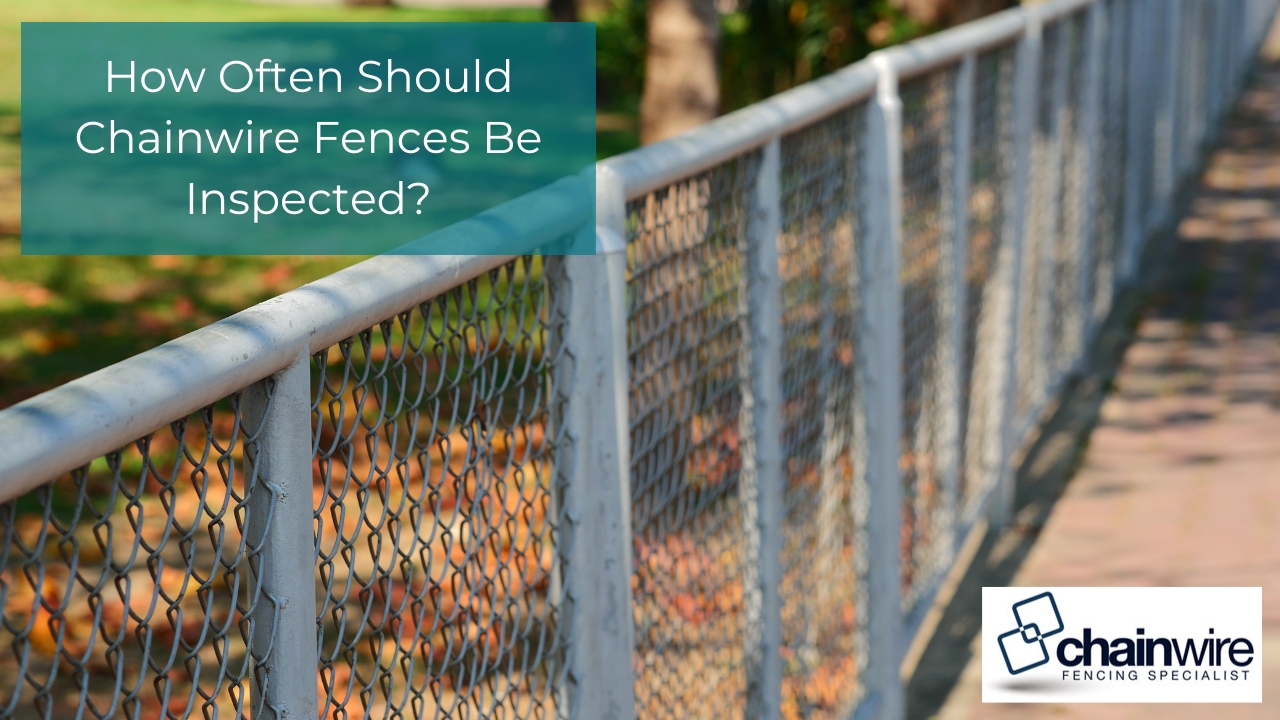
One of the best things about Chainwire fencing is that it is low maintenance. Unlike timber, it won’t rot or get eaten by termites, and unlike solid metal sheets, it doesn’t act like a sail in a Newcastle gale. However, low maintenance does not mean no maintenance.
If you want your fence to last the twenty or thirty years it is designed for, you need to keep an eye on it. Regular inspections help you catch small issues like a loose tension wire or a bit of surface rust before they compromise the security of your property.
The General Rule of Thumb
For most residential and commercial properties in the Hunter, a thorough inspection once every six months is plenty. A good way to remember is to do it whenever the seasons change significantly or once in autumn and once in spring.
However, if your fence is in a high-traffic area, a school, or a heavy industrial site, you should probably take a quick walk along the line once a month.
When to Inspect More Frequently
Some environments are harder on steel than others. You should increase your inspection frequency if:
- If you are within a few kilometres of the ocean, salt buildup happens fast. Check every three months for any signs of white or red rust.
- There has been a big storm: High winds can blow debris against the fence or even cause trees to lean on the top rail. Always do a lap of the boundary after a significant weather event.
- You have heavy vegetation: If you have vines or weeds growing through the mesh, they trap moisture against the wire. Check these areas monthly to make sure the plants aren’t pulling the mesh out of shape.

What Exactly are You Looking For?
When you do your walk-around, you are looking for four main things:
1. Tension and Sagging
The strength of a Chainwire fence comes from its tension. Check the top and bottom wires. If the mesh is sagging or you can easily pull it away from the posts, the tensioners might need tightening. A sagging fence is much easier for someone to climb over or for a dog to crawl under.
2. Physical Damage
Look for places where the wire has been bent or cut. In commercial settings, this often happens from vehicles backing into the fence. In residential areas, it might be from fallen branches. Even a small hole can be stretched larger, so it is best to patch it early.
3. Corrosion
Check the ‘feet’ of the posts and the places where the wire is tied to the rails. These are the spots where water sits. If you catch surface rust early, you can often clean it off and treat it before it eats into the metal.
4. Gate Alignment
Open and close every gate. They should swing freely and the latch should drop into place without you having to lift or pull the gate. If a gate is dragging, it puts massive stress on the hinge post and will eventually pull it out of alignment.
Professional Help vs DIY
Most minor checks can be done by a property owner in about fifteen minutes. You can tighten a few wire ties or clear away some overgrown grass yourself.
However, if you notice the posts are leaning or the main tension wire has snapped, it is usually time to call in the experts. Attempting to re-tension a fence without the right tools can be dangerous because of the force involved.
We offer professional fencing services across Newcastle and the Hunter to help with everything from minor repairs to full-scale industrial installations. Keeping the mesh tight and the posts upright is what we do best.
Is it Time for a Check-Up?
If it has been more than a year since you last walked your fence line, it is probably time for an inspection. Catching a loose bolt today could save you the cost of a new gate next year.
If you have found some damage or you are worried about the structural integrity of your boundary, contact us today. We can head out to your site, take a look, and let you know exactly what needs fixing to keep your property secure.