
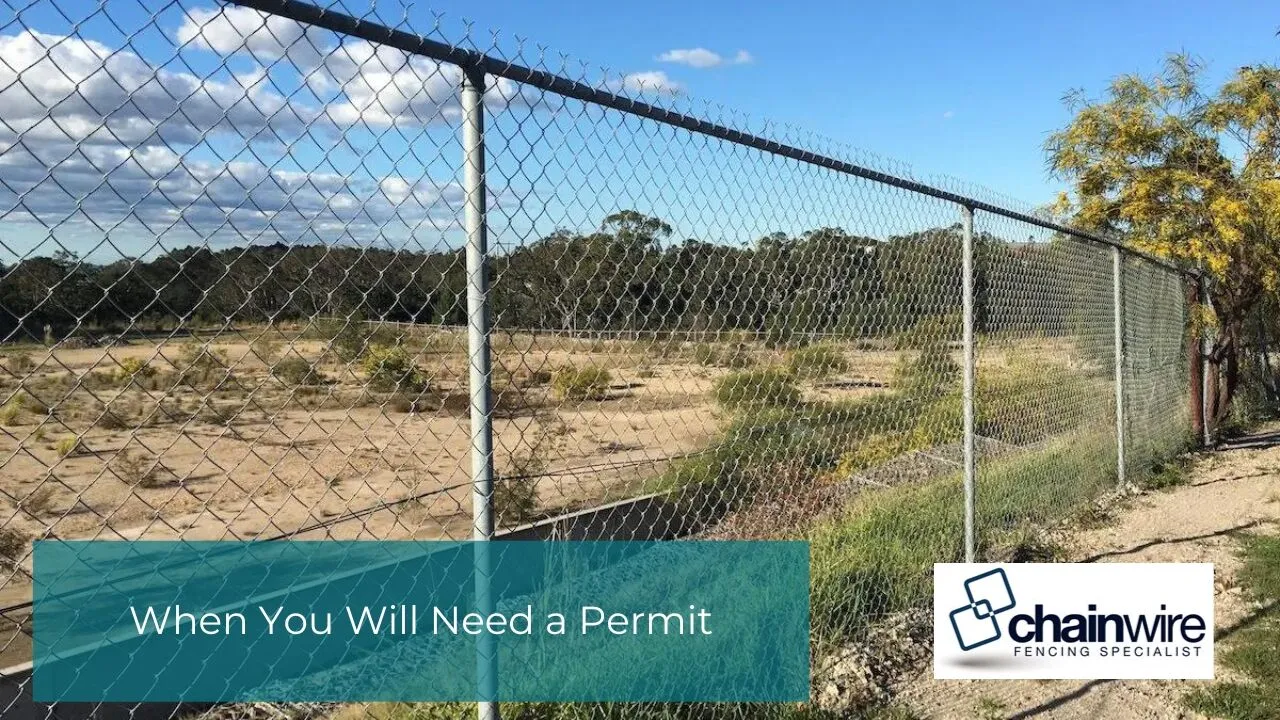
When you are putting up a new fence, the last thing you want is a tap on the shoulder from the City of Newcastle. Local planning rules can feel like a headache, but the good news is that most residential and industrial fencing in our region does not need a formal Development Application.
A lot of fencing in NSW falls under exempt development. Follow a few specific rules and you can get the job done without waiting on council paperwork. Here is what applies around Newcastle.
The general rules for Newcastle fences
Whether you are in the CBD, Mayfield or out toward Beresfield, most residential fences are exempt from approval if they meet the standards on the NSW Planning Portal:
- Height. Side and rear boundary fences can usually go up to 1.8 metres. With a masonry base, that limit often drops to 1.2 metres.
- Frontage. Fences along the front boundary (the primary road) are generally limited to 1.2 metres.
- Corner blocks. On a corner, the fence along the secondary street frontage usually needs to be at least partly transparent above a certain height, so drivers can see around the bend.
- Materials. In bushfire-prone parts of the Hunter, you need non-combustible materials such as galvanised steel chainwire.
When you will need to check with council
There are a few stop-and-think moments where you should check with council before the first post goes in:
- Heritage areas. If your home is in a Heritage Conservation Area, such as parts of Hamilton or The Hill, council often has specific rules on the style and colour of fencing.
- Flood-prone land. In parts of Newcastle and the Hunter subject to flooding, fences have to be designed so they do not block the flow of water.
- Security fencing. Industrial sites wanting high-security chainwire with barbed or razor toppings face different rules. Barbed wire is generally banned in standard residential zones but is common on commercial and industrial sites.
The Dividing Fences Act
One thing council will not get involved in is the "who pays" conversation with your neighbour. That is covered by the Dividing Fences Act 1991.
The general rule is that neighbours share the cost of a sufficient dividing fence. If you want a top-of-the-line security fence but your neighbour only needs a basic boundary, you will likely be on the hook for the difference. It is always best to have a chat with the person next door before you book the installer. If you cannot agree, either party can take it to NCAT.
Getting it right the first time
We have been installing chainwire fencing across the Newcastle region since 2004, so we have seen just about every council curveball there is. If you are not sure your plan meets the exempt development criteria, it is far cheaper to ask first than to tear down a finished fence later. For a tricky site or a large industrial project, the height and material choices are worth working through before anything is ordered.