
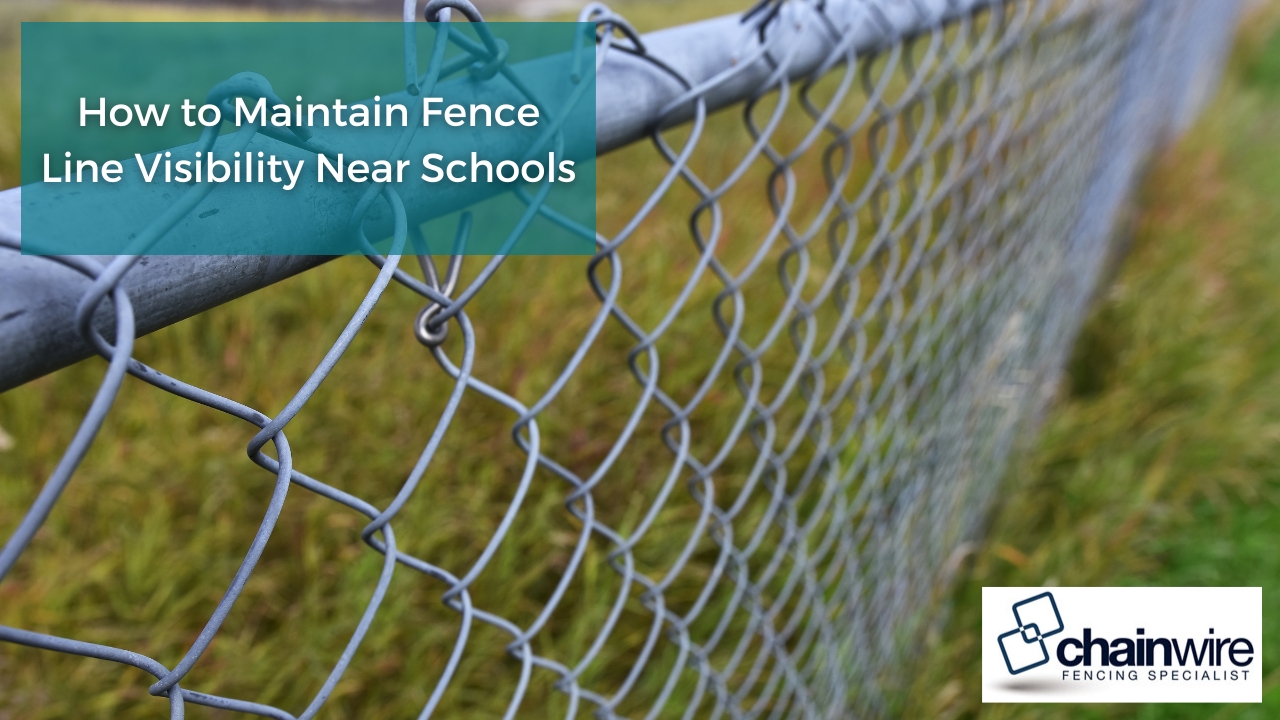
Maintaining clear fence lines near schools requires consistent care and practical design. Visible fencing allows teachers and staff to observe activity, manage entry points, and maintain a safe environment for students.
Vegetation, debris, or damaged panels can block views and reduce safety. Trimming, cleaning, and inspection help keep the boundary open and easy to monitor. Using open fence styles such as chainwire or mesh supports security without limiting visibility.
Schools across New South Wales rely on fencing that balances strength and clarity. A well-kept fence not only improves supervision but also supports compliance and presents a tidy, professional appearance for the community.
Why Fence Line Visibility Matters
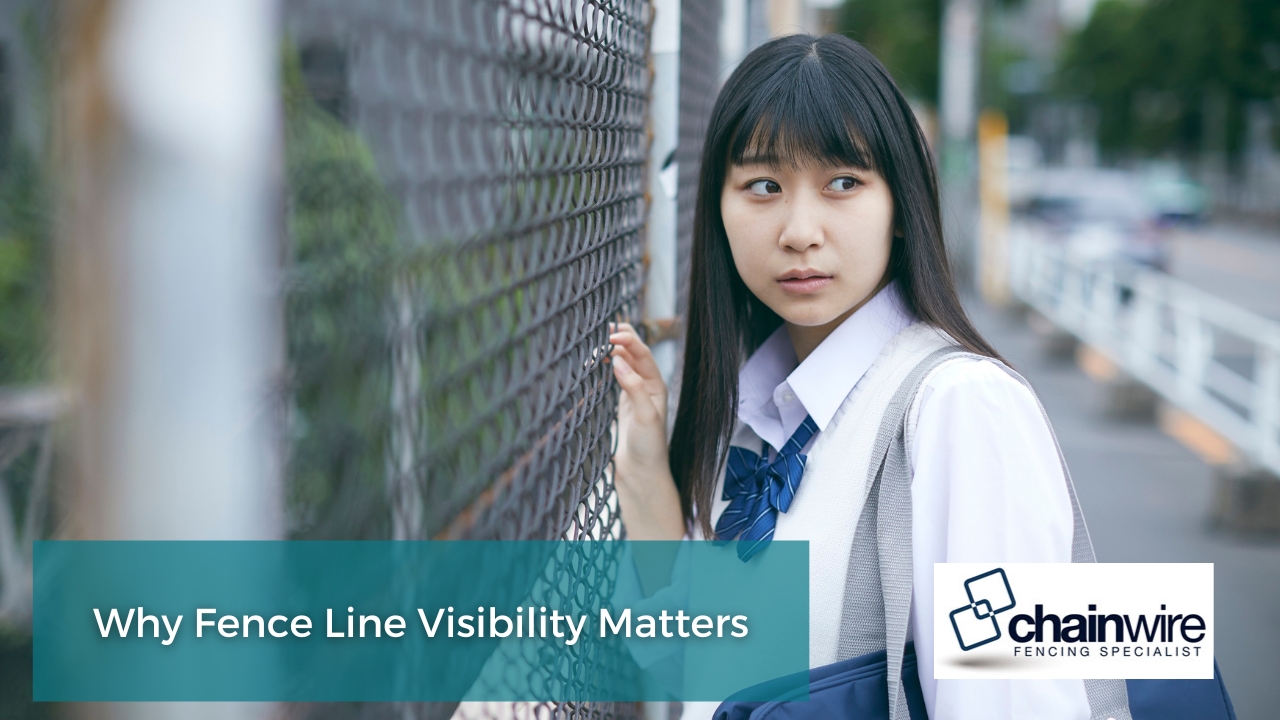
Clear visibility around school fences is essential for maintaining safety and supervision. It allows staff to observe student movement, identify potential hazards, and respond quickly when needed. A fence that remains open and easy to see through also helps prevent unauthorised access to school grounds.
Visibility supports a sense of safety for both students and parents. It ensures that school boundaries are clearly defined while still feeling open and welcoming.
Well-maintained fencing also reflects the school’s attention to safety standards and property care. When fence lines stay clear, they not only improve monitoring but also strengthen the overall appearance and security of the site.
Choosing the Right Fencing for School Environments
Selecting the right fencing for schools requires balancing visibility, strength, and safety. A design that allows clear sightlines helps staff monitor activity while ensuring the boundary remains secure.
Chainwire fencing is a preferred option for many schools because it offers durability without blocking views. Its open weave allows supervision across playgrounds and walkways while meeting local safety and compliance standards.
Materials such as galvanised steel or coated wire provide long-lasting performance and resist corrosion, which is important for New South Wales conditions. When paired with professional installation, these materials help schools maintain reliable, low-maintenance fencing that supports safety and daily supervision.
Maintenance Practices
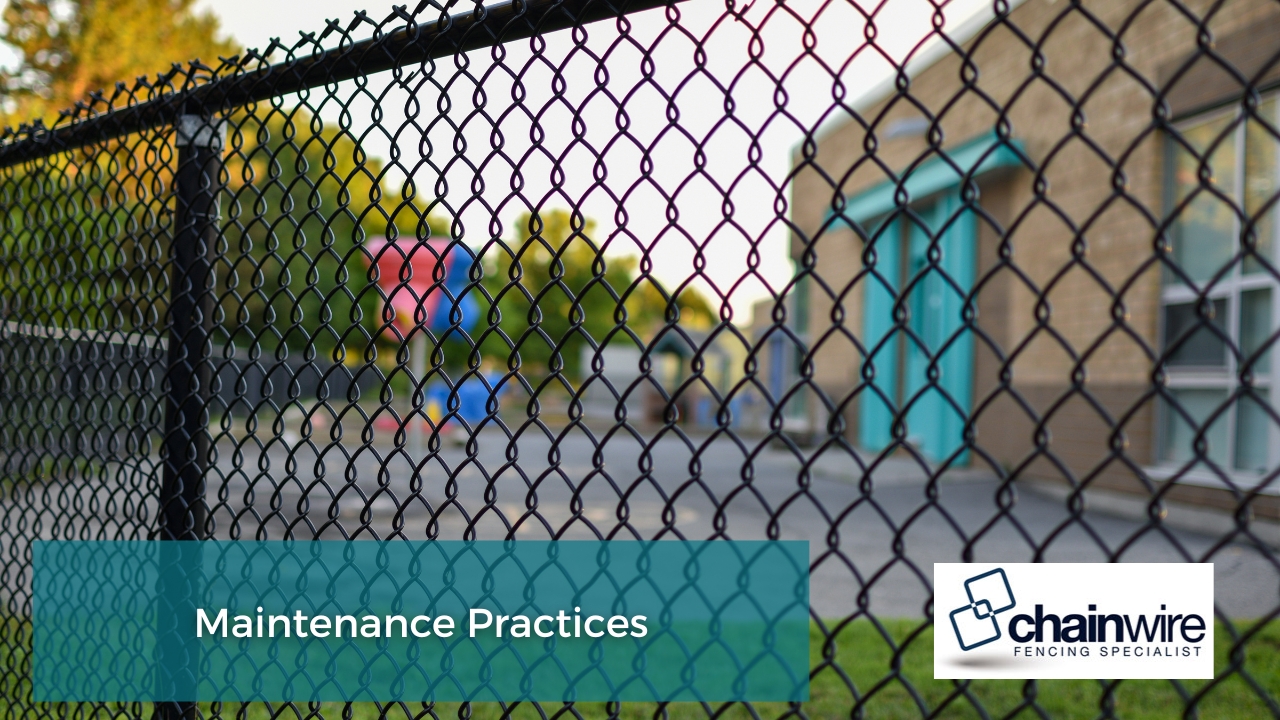
Proper care helps school fencing stay secure, visible, and compliant with local safety standards. Clear fencing supports easy supervision and keeps the boundary safe for students and staff.
Vegetation control plays an important role in maintaining visibility. Trees, shrubs, and grass should be trimmed to prevent overgrowth that blocks sightlines. Fence panels and posts should also be checked for rust, loose fittings, or other signs of wear.
Keeping the fence line clean prevents debris from collecting near the base and helps extend the lifespan of materials. Timely inspections and prompt repairs ensure the fencing remains strong, presentable, and easy to monitor throughout the year.
Common Issues That Reduce Visibility
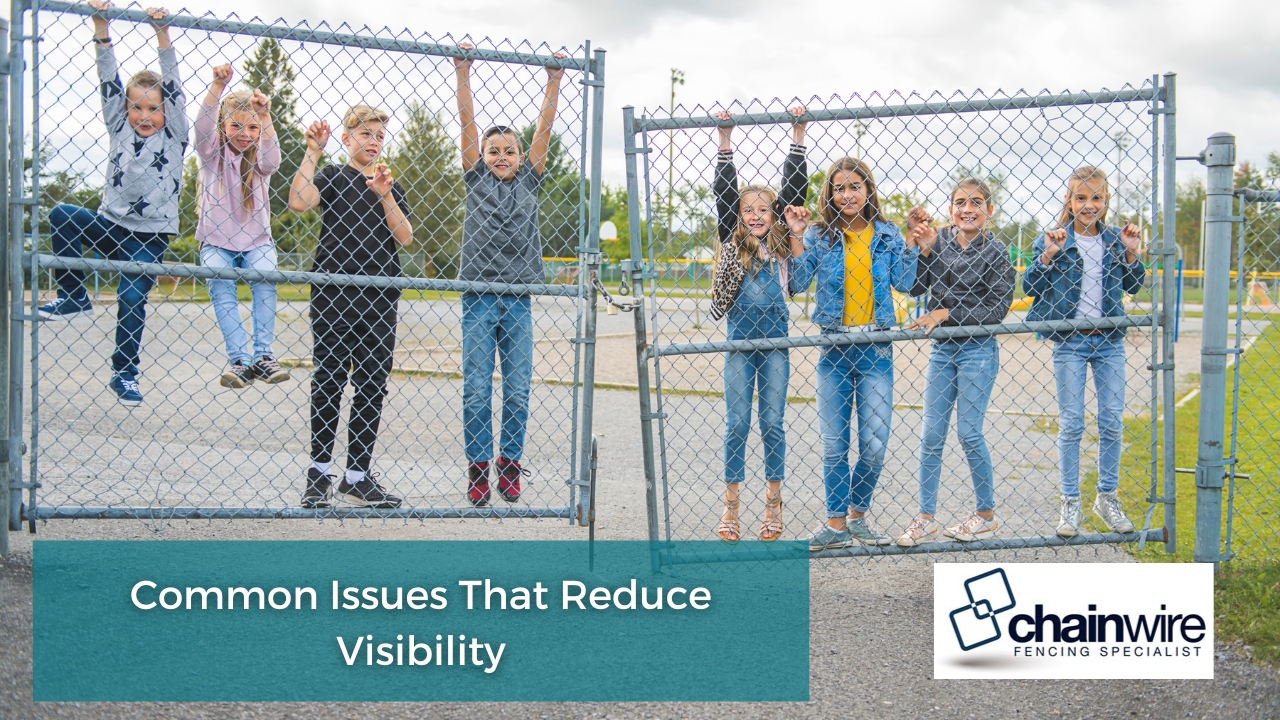
Several factors can reduce the visibility and effectiveness of school fencing. Identifying these issues early helps maintain a safe and open environment for students and staff.
Overgrown vegetation is one of the most common causes of poor visibility. Shrubs, trees, or tall grass can block clear views and even damage fencing materials. Litter or objects left near the fence can also create clutter and obstruct sightlines.
Rust, corrosion, and weather exposure can weaken wire or posts, creating gaps that make sections harder to monitor. In some cases, excessive signage or decorations fixed to the fence can block open areas that should remain visible.
Addressing these issues promptly helps schools preserve clear boundaries and maintain the safety and presentation of their facilities.
Local Expertise and Professional Support
Working with local fencing professionals ensures school boundaries are designed and maintained for safety and visibility. Local experts understand the conditions that affect fencing in New South Wales, including weather, vegetation, and site layout.
Professional installers can assess existing fences, recommend suitable materials, and handle repairs or replacements when needed. Their knowledge helps schools choose options that meet Australian standards and local council requirements.
Partnering with experienced fencing specialists also ensures that each project is completed efficiently and with attention to long-term durability. This approach helps schools maintain clear, strong, and reliable fencing that supports safety and supervision.
Professional Fencing for Schools in New South Wales
Clear and well-maintained fencing plays an important role in keeping school environments safe and easy to supervise. Good visibility allows staff to manage access, protect students, and maintain compliance with safety guidelines. Choosing durable fencing materials and keeping them in good condition ensures long-term reliability and peace of mind.
At Chainwire Fencing Specialist, we supply and install high-quality fencing solutions for schools across New South Wales. Our team provides expert advice, precise installation, and maintenance support to help schools maintain safe and visible boundaries.
Contact us to discuss your fencing needs or to arrange an inspection. We can help you select the most suitable fencing solution to support safety and visibility at your school.
Frequently Asked Questions
How often should school fences be checked for safety and visibility?
Fences should be inspected several times a year, especially after storms or heavy growth periods. Early detection of wear, damage, or obstruction helps prevent larger maintenance issues.
What fencing materials are easiest to maintain near schools?
Chainwire and galvanised steel are durable and low-maintenance choices. They resist rust, provide clear visibility, and are suitable for large school grounds.
Can fencing design affect emergency access?
Yes. Fencing should include clear access points with lockable gates that can be opened quickly in an emergency while still restricting unauthorised entry.
What steps help prevent vandalism on school fences?
Choosing anti-climb designs, adding top rails, and keeping the area well-lit discourage vandalism and damage.
Are there specific standards for fencing in New South Wales schools?
Yes. Fencing must comply with Australian Standards and local council requirements. Professional installers ensure materials and designs meet these safety and visibility guidelines.