
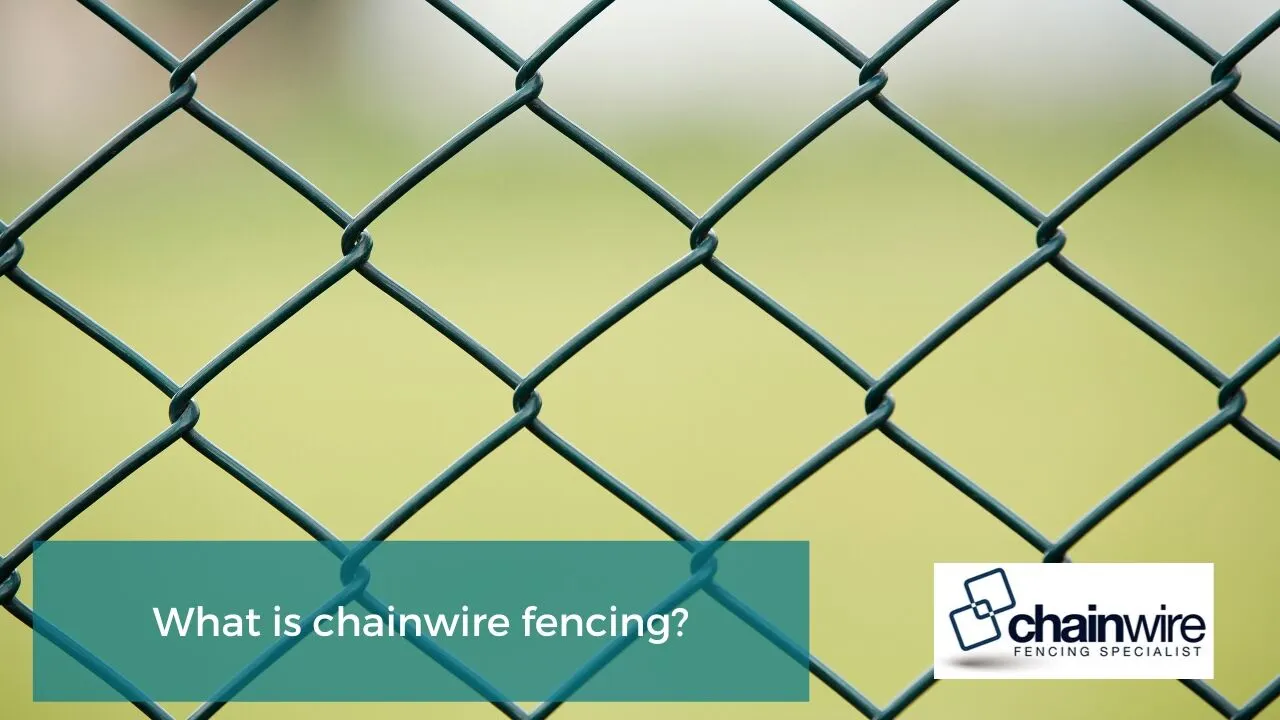
Chainwire fencing, also known as chain mesh, chain link or cyclone fencing, is one of the most cost-effective fencing options in Australia, which is a big part of why you see it everywhere from schools to industrial yards. But cost-effective is not the same as cheapest, and the honest comparison is what a fence costs against how long it lasts and how well it does the job. Here is how chainwire measures up.
Why chainwire tends to cost less
Chainwire is generally more economical than most solid fencing, for two reasons: the material itself uses less steel than a solid panel, and it goes up faster, so there are fewer labour hours in the install. It is also durable in a way that keeps the long-term cost down, since it does not rot, warp or fade the way timber can, and a galvanised fence stands up to harsh weather for years with little attention.
Where the cost climbs is in the extras. Gates, a vinyl or powder coating, and privacy screens or slats all add to a chainwire fence, so a heavily specified fence is a different proposition to a plain boundary run.
Chainwire against the alternatives
Chainwire vs timber. Chainwire is generally the cheaper of the two on both material and labour, and it sidesteps timber's ongoing enemies: rot, termites and the need to re-treat or repaint. Timber wins on privacy and a softer look; chainwire wins on cost, durability and keeping the view open.
Chainwire vs PVC. Both are reasonably priced and suit most budgets. PVC is common around private homes, while chainwire dominates community, commercial and industrial settings. PVC can cost more up front but is rust-free and long-lived, so the gap narrows over time. If you want to see through the fence, chainwire is the natural pick.
Chainwire vs aluminium. Aluminium sits above galvanised chainwire on price and gives a lighter, more finished look, which is why it turns up around businesses and pools. It is rustproof and weather-resistant and can last decades. Chainwire remains the value choice where security and coverage matter more than appearance.
The wire type changes the price
Not all chainwire is the same, and the wire decides both cost and lifespan:
- Galvanised (zinc-coated) is the most economical and the usual choice for homes and general boundaries.
- Aluminium is a mid-range, lightweight, rustproof option that holds up well in exposed and coastal settings.
- Stainless steel is the dearest and the most durable, which is why it goes into heavy-duty work on railways, airports and highways.
Two other factors move the cost: the wire gauge (thickness) and the mesh size. Thicker wire and tighter mesh cost more because they use more steel, but they also last longer and resist climbing and cutting. Our guide to choosing the right gauge and mesh size covers how to match those to the job rather than over or under-building.
Where chainwire is the right call
Chainwire earns its keep wherever you want security and a clear view at a sensible cost:
- Homes for boundaries and pet enclosures.
- Commercial and industrial sites that need to hold off intruders while keeping the yard visible.
- Schools, parks and sports courts where staff want to keep an eye through the fence.
- Rural properties to keep stock in and predators out, with easy access to livestock.
- Around water such as pools and dams, where an open fence lets you spot trouble fast.
Its flexibility is part of the value too: it runs around trees, columns and awkward corners without the fuss a rigid panel brings.
The takeaway
Chainwire is the value option for a reason: lower material and install cost than most solid fencing, long life with little maintenance, and a clear view kept in the bargain. The price moves with the wire type, gauge, mesh and any coatings or gates you add, so the smart approach is to spec it to the job, not to the cheapest sheet. For security and coverage at a fair cost, chainwire is hard to beat. Chainwire Fencing Specialist has built extensive chainwire across construction, industrial, mine, subdivision, highway and commercial sites throughout Newcastle, Lake Macquarie, the Central Coast and the Hunter Valley.