
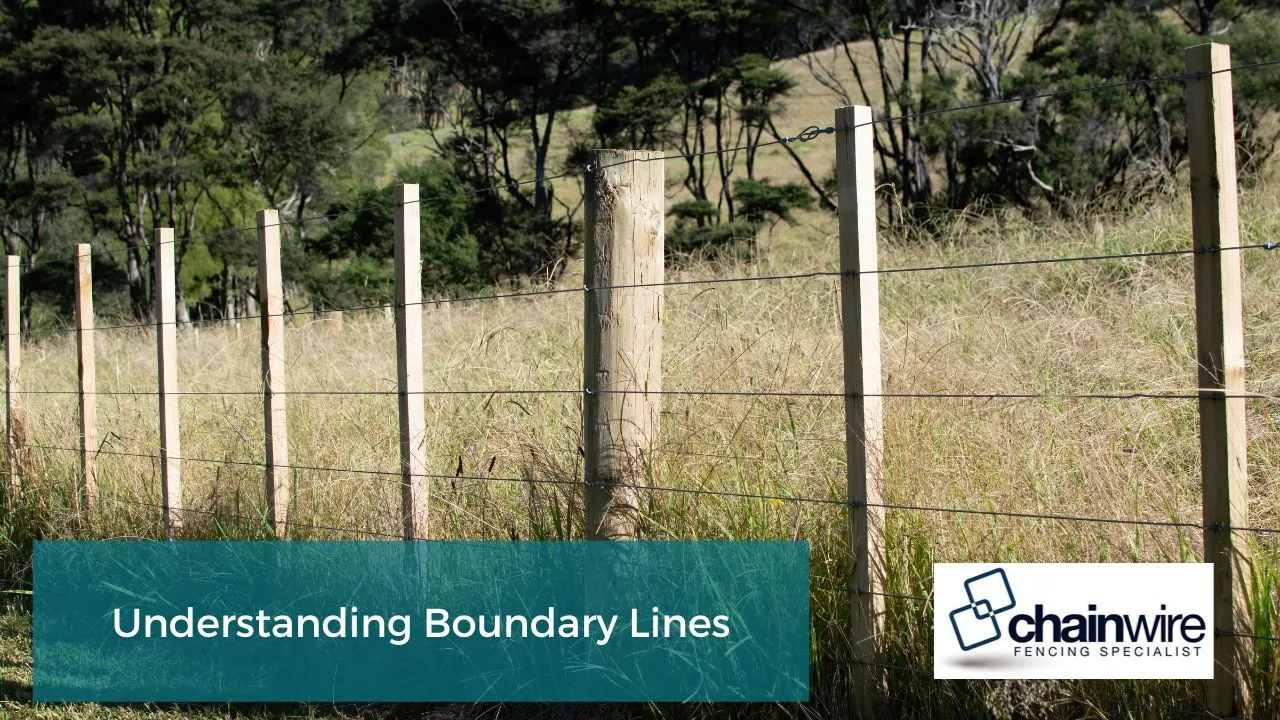
Boundary fence rules in NSW hang on one thing people tend to skip: where the line actually is. Get that right and the rest, who pays and what gets built, follows the Dividing Fences Act 1991 (NSW). Get it wrong and you can be looking at a removal order, a soured relationship with the people next door, or in the worst case a claim over part of your land. This guide focuses on the boundary itself. For the shared-cost and permission side of things, see our guide on whether a neighbour can build a fence without your permission, and for how high you can go, see fence height rules for corner blocks.
Find the true boundary before anything else
An old fence is not proof of the boundary. Fences drift over decades, get replaced slightly off-line, or were never on the line to begin with. Before you build, establish where the boundary genuinely sits:
- Check your property's survey report and title if you have them.
- Request title information through NSW Land Registry Services.
- If the documents are unclear or contested, engage a registered surveyor to peg the line.
A survey costs far less than shifting a finished fence or defending a dispute, and it settles the question with something official rather than a memory of "the old fence was here".
Encroachment: building over the line
A fence built over your neighbour's land, or theirs over yours, is an encroachment. It can lead to an order to move the fence at the builder's cost, and it causes particular grief near driveways, easements and utility access points, where even a small overreach blocks something important. Easements matter as much as the boundary itself: a fence across a drainage or access easement can be required to come out even if it sits on your own land.
If you share the title, or the land is leased, every legal owner needs to be part of the fencing decision. Leaving one out can make the whole arrangement invalid and leave the cost split unenforceable.
Adverse possession, in plain terms
Adverse possession, sometimes called squatter's rights, is the reason encroachments should never be left to sit. If someone occupies part of your land openly and continuously for a long period, they can, in limited circumstances, claim legal ownership of it. A fence sitting on the wrong side of the line for years is exactly the kind of long-standing occupation that can feed such a claim. The practical lesson is simple: deal with an encroachment when you notice it, not decades later. Prompt action keeps the boundary yours.
Put the agreement in writing
The Act does not force you to have a written agreement, but a written record is your best protection. Before work starts, set down what is being built, how the cost is split, and who maintains the fence afterwards. Keep the quotes, the notice and any emails. If a disagreement ever reaches mediation or a tribunal, that paper trail is what supports your position. A boundary fence agreement is not a legal formality so much as insurance against the "that is not what we agreed" conversation years down the track.
Where an open fence helps
Where the exact line matters and both owners want to keep sight of it, an open fabric like chainwire or welded mesh has a quiet advantage: the line stays visible, the fence is easy to inspect along its length, and there is no solid panel casting doubt over which side of the boundary it sits on. It is also the practical choice along long rural or industrial boundaries where a surveyed line needs to be marked cleanly without blocking the view.
The takeaway
The boundary is the foundation of every fencing decision in NSW. Confirm the line with a survey when there is any doubt, keep fences and posts clear of easements, act on encroachments early so they never harden into an adverse possession claim, and record what you agree in writing. Property laws change over time, so check the current position with NSW Land Registry Services, your council or a legal service before you build.