
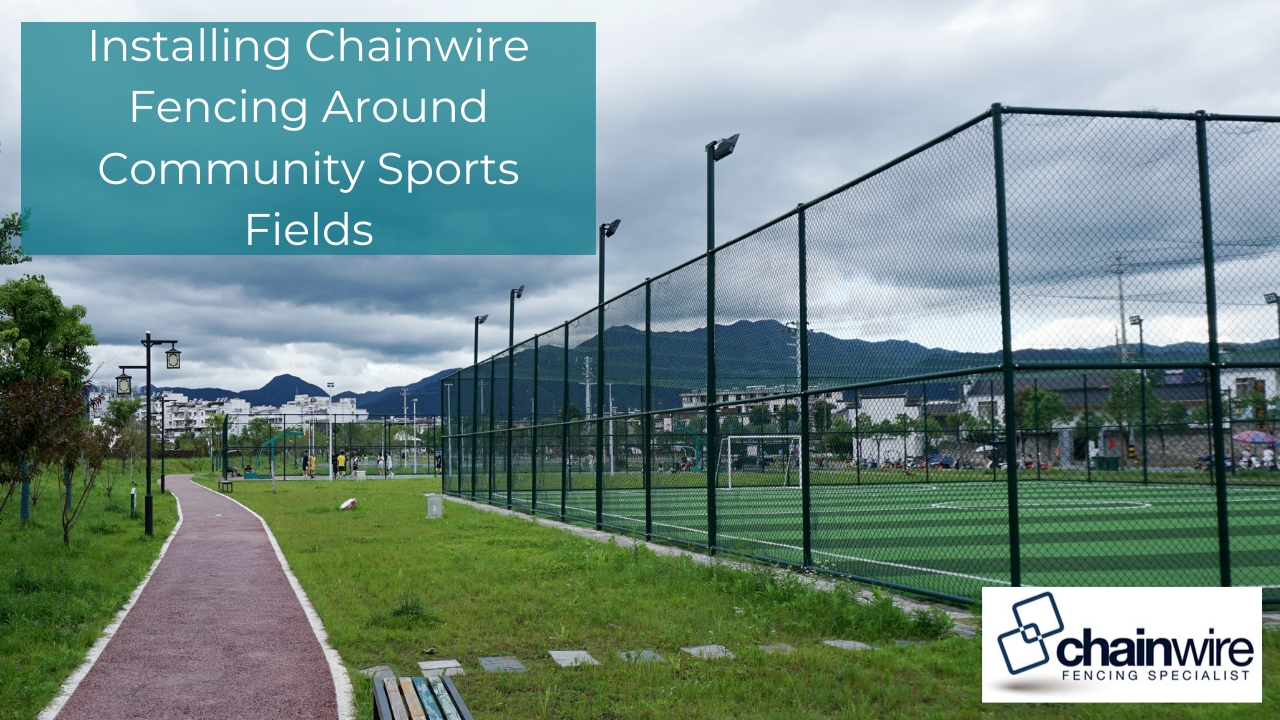
Community sports fields play an important role in local neighbourhoods. They are used daily by schools, clubs, families, and council programs. With that level of use comes the need for practical boundary solutions that improve safety, protect facilities, and manage access without closing the space off from the community.
Chainwire fencing remains one of the most reliable and widely used options for sporting grounds across Australia. It offers strength, visibility, and long-term value while meeting the functional needs of busy public spaces.
Why Fencing Matters for Sports Fields
Installing fencing around a sports field is about more than just marking boundaries. A well-designed fence helps keep players and spectators safe, protects turf and infrastructure, and ensures the space can be used as intended.
Common reasons councils and sporting clubs install fencing include preventing unauthorised vehicle access, stopping stray balls from leaving the field, reducing vandalism, and clearly separating playing areas from walkways or parking zones. Fencing also supports better crowd control during events and competitions.
Why Chainwire Is the Preferred Choice
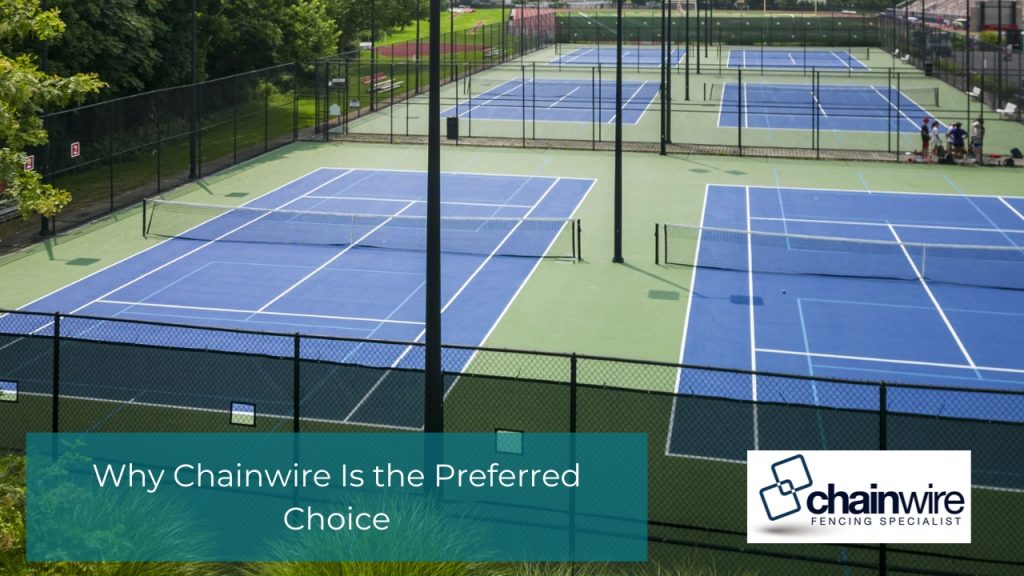
Chainwire fencing has been used around sports grounds for decades, and for good reason. It is strong enough to handle repeated ball impact while remaining flexible rather than brittle. This makes it ideal for football, soccer, cricket, tennis, and multi-use ovals.
Because chainwire fencing is open in design, it maintains clear sightlines for spectators and officials. This visibility is important for safety, supervision, and the overall experience of watching community sport. Unlike solid fencing, chainwire does not create a visual barrier or make spaces feel closed in.
Durability and Low Maintenance
Sports fields are exposed to constant wear and harsh outdoor conditions. Chainwire fencing is typically galvanised, making it resistant to rust and corrosion. This is particularly important in coastal or high-humidity areas.
Once installed, chainwire fencing requires minimal maintenance. Occasional inspections and basic repairs are usually enough to keep it performing well for many years. This makes it a cost-effective option for councils and clubs working within tight budgets.
Supporting Safety and Community Use
Well-planned fencing improves safety without restricting community access. Gates can be positioned to allow easy entry for players, maintenance crews, and emergency services while still controlling vehicle access after hours.
When designed correctly, fencing helps protect young players, pedestrians, and nearby property. It also reduces the risk of injuries caused by balls entering public areas such as roads or playgrounds.
Professional Installation Makes the Difference
The effectiveness of chainwire fencing depends heavily on correct design and installation. Factors such as post spacing, fence height, ground conditions, and local regulations all need to be considered.
Working with an experienced fencing contractor ensures the fence meets safety standards and is built to handle long-term use. For councils, schools, and clubs, this reduces future repair costs and avoids compliance issues.
Planning Guidelines for Sports Field Fencing
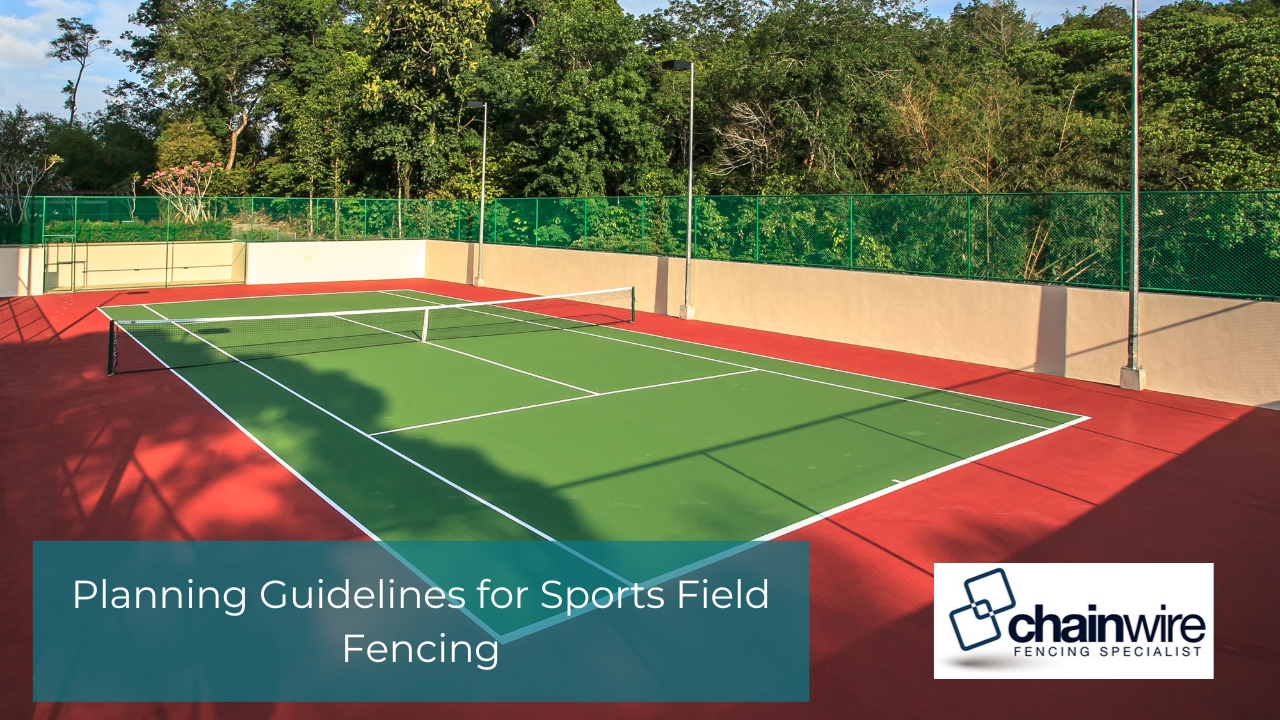
Before you start digging, you need to think about the layout. It is not just about the height of the wire; you have to factor in player run-off zones, local regulations, and where your access points will be.
If the posts aren’t spaced correctly or the ground conditions aren’t assessed properly, the fence won’t handle the long-term stress of a busy sporting season. Working with a contractor who knows the local standards will save you a lot of money in repairs and compliance headaches down the track.
For a proper breakdown of what to look for, including technical design tips and safety clearances, have a look at this resource: Guidelines for Sports Field Fencing.
If you are looking at new fencing for a local oval or school facility, take the time to plan it out. Check the guidelines and have a chat with a professional installer to make sure you get a result that actually serves the community for the next twenty years.