
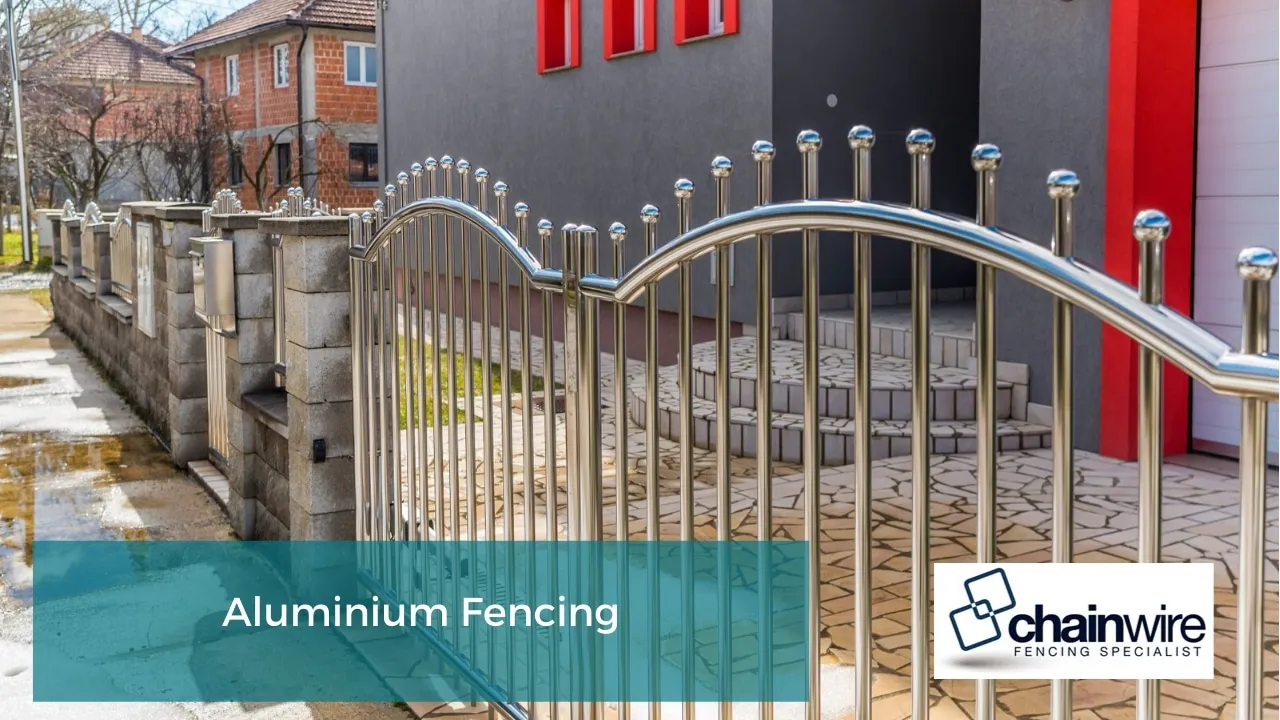
Aluminium fencing has become a popular choice around Australian homes, and for good reason. It stands up to a harsh climate, asks almost nothing in upkeep, and gives a clean, finished look on a front boundary, garden edge or pool surround. It is not the right answer for every job, so here is an honest look at what it does well and where another material serves you better.
What aluminium does well
It resists corrosion. Unlike steel, which can rust, or timber, which can rot, aluminium does not rust. That makes it a natural fit for coastal and humid areas, and a long-term performer generally.
It is close to maintenance-free. A powder-coated aluminium fence resists fading, chipping and corrosion, so there is no staining, sealing or repainting on a cycle. An occasional wash keeps it looking new.
It is light and easy to install. Aluminium is much lighter than steel, which makes handling and installation simpler without giving up practical strength for residential use.
It looks good and comes in options. Available in a range of styles and powder-coat colours, from clean slats to picket-style profiles, it can be matched to a modern or a traditional home.
How it compares
| Versus | Aluminium's edge | The trade-off |
|---|---|---|
| Timber | No rot, termites or repainting; lasts decades | Timber gives full solid privacy; aluminium is more open |
| Steel | Lighter, does not rust, easy install | Steel is tougher for genuine high-security barriers |
| PVC | More premium look, does not go brittle in sun | Higher material cost than basic PVC |
The honest read: aluminium wins on low maintenance and corrosion resistance, and it looks more premium than PVC. Where you need a heavy physical security barrier, steel is stronger, and where you want total solid privacy, a solid material screens better. Choose aluminium for what it is best at.
Where aluminium fits around a home
- Front and boundary fencing where a clean, low-maintenance look matters.
- Pool fencing. Aluminium is a common compliant pool-barrier material. It has to meet the current barrier rules, so check the NSW Swimming Pool Register for what a compliant barrier requires. (Pool fencing is aluminium or compliant chainwire systems, not glass.)
- Garden and courtyard enclosures where you want to define space without closing it in.
- Light commercial frontages and enclosures that value appearance and low upkeep.
A note on getting it installed
Aluminium's strength for residential use depends on it being installed properly, posts set right, panels square and level, gates hung true. A tidy install is what makes the difference between a fence that looks sharp for decades and one that never quite sits right. If you are weighing aluminium against steel or chainwire for your situation, our guide to choosing the right type of fencing lays out how to decide by purpose.
The practical takeaway: aluminium is an excellent pick when low maintenance, corrosion resistance and a clean look are your priorities, especially on front boundaries, pool surrounds and coastal blocks. For high-security barriers or full privacy, look at steel or a solid material instead. We supply and install aluminium fencing and gates across Newcastle, the Hunter and the Central Coast, and can help you decide if it is the right fit for your home.