
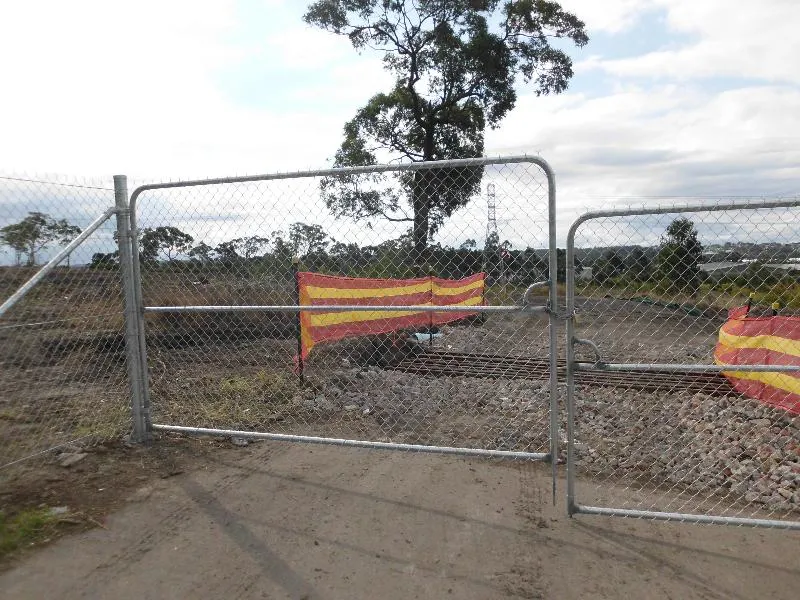
Safety is the whole point of a construction fence. An open site is a hazard to the public and an easy target for theft, and if someone wanders in and gets hurt, that becomes the builder's problem fast. Open trenches, star pickets, sheet metal, stacked materials and plant all sit behind that line for a reason. Getting the fence right at the start of the job protects people, protects the gear, and keeps you on the right side of your duties.
Here is how to think it through.
Plan the fence before you plan the site
A few things to settle before anything goes up:
- Perimeter and size. Walk the boundary, identify what has to be enclosed, and measure the run so you can plan panels and gates.
- Traffic, both kinds. If the site fronts a footpath or road, the fence cannot block sightlines, cover signs or signals, or push pedestrians into traffic. Leave clearance from the road, and hang gates to swing inward so they never open into people or vehicles.
- Access and loading. Delivery trucks and plant need a wide, controlled entry. Plan a vehicle gate and a separate lockable pedestrian gate so foot traffic is not sharing the truck opening.
Choosing the right fence for the site
Site fencing is temporary by definition, so it should be quick to stand, sturdy while it is there, and easy to move. The usual options:
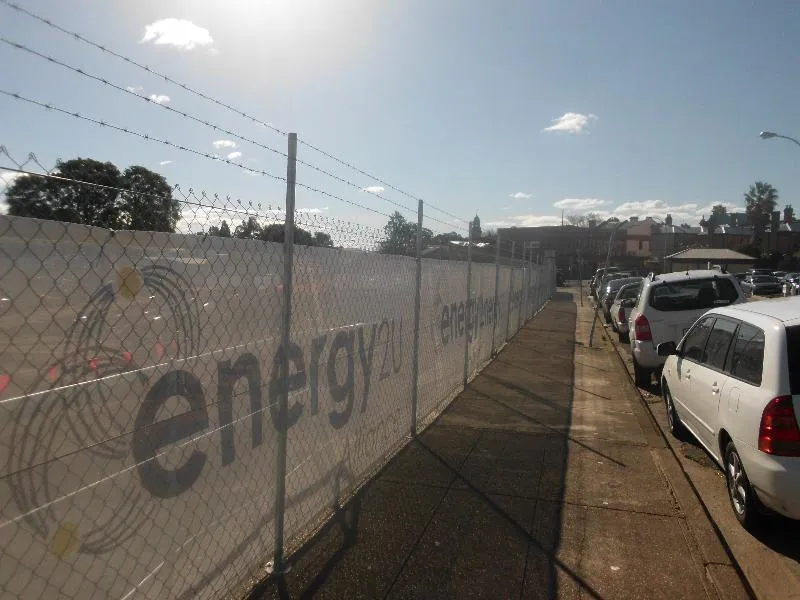
- Mesh panel fencing is the default, rigid mesh panels in portable feet, no digging, reconfigures as the job moves, and takes banner mesh for screening and dust control.
- Chain link on driven or cemented posts is steadier for longer builds and windy, exposed sites, and stands up to months of weather better than free-standing panels.
- Safety barricades control traffic and pedestrians on road-work and civil jobs, and mark restricted zones. They are for directing flow, not stopping a climber, so pair them with a real perimeter where security matters.
For most builds a mesh-panel perimeter with lockable gates does the job, upgraded to posted chain link where the run is long, exposed or up for months.
Security and the quiet hours
Sites get hit after everyone goes home. The fence is your first line: a full perimeter with no easy gaps, gates locked out of hours, and banner mesh that also stops passers-by eyeing off what is on site. On higher-value jobs, add lighting and cameras that cover the quiet sides, not just the gate. Chainwire's see-through nature is an advantage here, a passing patrol or neighbour can spot movement inside.
Meeting your safety duties
Fencing the public out of a work zone is a duty, not a nicety. SafeWork NSW sets out the obligations around securing a construction site and protecting people nearby, and temporary fencing and hoardings are covered by AS 4687. Practically that means a fence tall and complete enough to keep people out, braced and weighted so it does not blow over, and signed so the hazards are clear. On sites with strict safety and access requirements, councils, schools, rail corridors, mines, the crew running the fence needs the tickets and method statements to be there at all, which is worth confirming before you engage anyone.
The practical takeaway: plan the perimeter, gates and traffic before the fence goes up, pick mesh panels or posted chain link to suit the length and duration of the job, lock it down out of hours, and make sure it meets your SafeWork duties. We design and install construction site fencing across Newcastle, the Hunter and the Central Coast, including sites with tight compliance and access rules, and we can get temporary fencing up quickly when you need the boundary secured.