
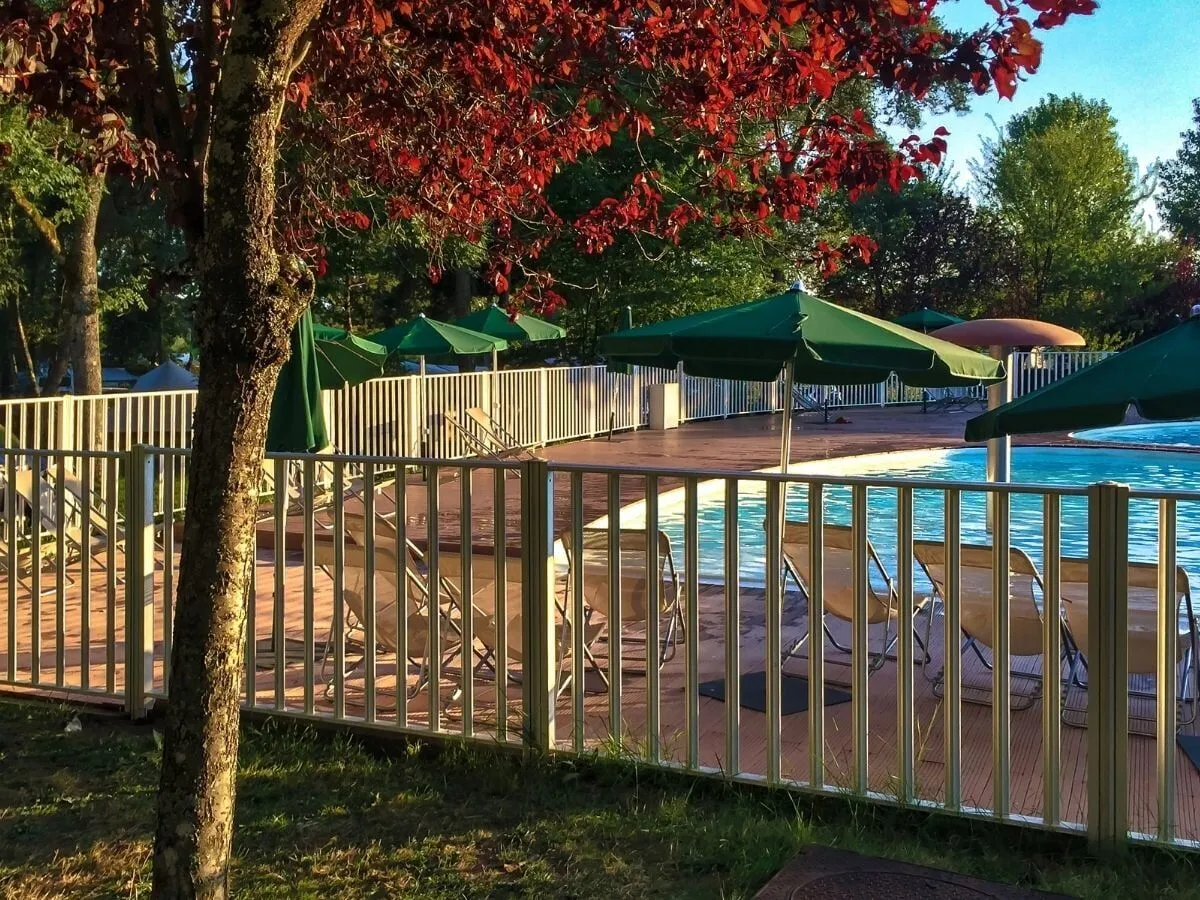
Any pool in NSW that can hold more than 300 mm of water has to be surrounded by a compliant child-resistant barrier. That covers in-ground, above-ground, inflatable and portable pools, and spas. The rules exist because drowning remains a leading cause of accidental death in children under five, and most of those incidents involve a faulty or propped-open fence or gate. Here is what the current regulations ask of NSW pool owners, in plain terms.
The law behind the rules
Pool safety barriers in NSW are governed by the Swimming Pools Act 1992 and the Swimming Pools Regulation 2018, with the physical barrier built to Australian Standard AS 1926.1. The NSW Government's pool owner obligations page is the authoritative summary and worth reading in full.
Which edition of AS 1926.1 applies depends on when the pool was built:
- Pools built after 1 May 2013 follow AS 1926.1-2012.
- Pools built between 1 September 2008 and 30 April 2013 follow AS 1926.1-2007.
- Older pools follow the standard in force when they were built.
There is a catch worth knowing: if you modify or alter the barrier, and that can include house or yard renovations near the pool, the current Act, Regulation and AS 1926.1-2012 apply and any earlier exemption ends. Once you touch it, you bring it up to today's standard.
The core barrier requirements
Across the standards, the essentials are consistent. Confirm the exact figures for your pool's build date, but as a working checklist a compliant barrier:
- Is at least 1.2 m high all the way around, measured from finished ground level.
- Leaves a gap of no more than 100 mm between the bottom of the barrier and the ground.
- Has vertical gaps of less than 100 mm, so a small child cannot squeeze through.
- Keeps a non-climbable zone clear: 900 mm outside the barrier and 300 mm inside, free of anything a child could climb, no pots, furniture, BBQs, trees, shrubs or pool equipment lined up against the fence.
- Where horizontal rails sit less than 900 mm apart, uses a design that removes the foothold they would otherwise give.
If a boundary fence forms part of the pool barrier, that boundary fence must be at least 1.8 m high with no footholds on the pool side. And a resuscitation (CPR) sign must be displayed near the pool.
Gates are where compliance slips
More barriers fail on the gate than anywhere else. A compliant pool gate:
- Opens outwards, away from the pool area.
- Is self-closing from any position, so it never gets left ajar.
- Is self-latching, with the latch release at least 1500 mm above the ground, or shielded so a child cannot reach it.
A gate that has to be pulled shut, or propped open for convenience, defeats the whole barrier. Self-closing and self-latching hardware is not optional.
Register your pool, and the certificate you need to sell or lease
Every pool and spa in NSW must be listed on the NSW Swimming Pool Register. Registration is the owner's responsibility, and it is free.
If you are selling or leasing a property with a pool, you need a valid Certificate of Compliance (or Certificate of Non-Compliance) issued within the last three years. That certificate is inspected against the same barrier rules above, so it pays to check your fence and gate well before you list the property, not the week of settlement.
What a compliant barrier looks like
Pool barriers in NSW are built from aluminium or from compliant chainwire and welded mesh systems. Chainwire fencing works around a pool because the fabric has no footholds, the openings sit well under the 100 mm limit, and it can be built to height cleanly along a boundary. Aluminium suits a poolside setting where a lighter look is wanted. Chainwire Fencing Specialist builds and repairs both. We do not install glass pool fencing, which is a separate trade, so if you want a glass barrier that is not us.
A pool fence is not a set-and-forget project. Latches wear, hinges sag, and gaps open up as the ground moves. Check yours before every summer, and if the gate does not swing shut and latch on its own, treat it as urgent.
The takeaway
The rules come down to a barrier at least 1.2 m high with no gaps or footholds, a non-climbable zone kept clear, and a gate that closes and latches itself every time. Register the pool, and keep a current compliance certificate if you plan to sell or lease. A barrier only saves a life when it is maintained and used as designed, and no fence replaces adult supervision. Rules can change and vary with your pool's build date, so confirm the current requirements with your council or the NSW Swimming Pool Register before you build or renovate.